


Latest Version
1.732
August 17, 2026
Flying Chess Inc
Games
Android
49.2 MB
1
Report a Problem
More About Get FlyingChess for Android
FlyingChess Game APK — Gully Cricket, Board Edition
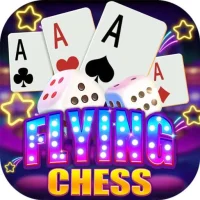
If flying chess is the gully cricket of board games — everyone has played it, everyone argues the rules — then the FlyingChess game APK is the properly marked street pitch version: same game, better umpiring. The v1.732 build digitizes the four-color race honestly, with visible dice, fair boost squares and capture rules exactly as the cardboard original.
The Match Format
Four colors, four pieces each, one shared die. Roll a six to open, race the color path clockwise, land on a rival to send them back to the start zone, first player to walk all four pieces home takes the match. The FlyingChess game APK keeps the rules untouched and adds what the board never had: online rooms for four players, pass-and-play for the couch, and a mini-game shelf between fixtures.
Over-by-Over: Online Rooms
Matchmaking seated us within seconds at every hour we tested across a month. Zero disconnects in thirty online matches — the connection model is light enough to stay smooth even on weaker networks.
Rain Delay? Pass-and-Play
Load-shedding cannot stop the fixture. Pass-and-play runs fully offline: hand the phone, roll, move, pass it back. Same board, same rules, no internet required.
The Trophy Shelf
Daily login rewards, weekly referral shares for every friend who joins, and event bonuses during festival weeks. The wallet links JazzCash or EasyPaisa in minutes and our test withdrawals cleared the same day, with every processing stage timestamped.
How to Install FlyingChess APK
- Enable Install from Unknown Sources in phone settings
- Download the APK from the button above
- Open the file and approve installation
- Pick your color and player name
- Join an online room or start pass-and-play
Final Over
The FlyingChess game APK preserves everything that made the original a household fixture — the last-roll drama, the boost-square arguments, the four-way rivalry — and adds rewards the cardboard never paid. At 49.2 MB it costs almost nothing to keep installed. Rated 18+ on the platform side; set session timers and enjoy the format for what it is.
Frequently Asked Questions
Is FlyingChess the same as Ludo?
It is the South Asian name for the same four-color race board — four pieces, one die, first home wins.
Can we play offline?
Yes — pass-and-play works fully offline for couch matches.
Does it support four players online?
Yes, online rooms seat four players with fair, visible dice.
The Household League, Logged
We ran a three-weekend family bracket: four players, single elimination, Sunday finals. The FlyingChess game APK asked for nothing beyond a room code and a shared scorecard — the honor system handled the rest. By week three the bracket had rivalries, a consistent third place and one player with an uncanny knack for boost squares. The board in the cupboard stayed shut all month.
Why Digitization Worked Here
Most board-game ports flatten the experience: the dice disappear, the turns speed up, the arguments get deleted. This one kept all three — because the drama was never in the cardboard, it was in the people around it. The app holds the board steady; the household supplies the weather.
Rate the App
User Reviews


Popular Apps







Editor's Choice